(Columbia, SC) — Schools are expected to prepare students for college, careers, and life beyond the classroom. But what about preparing them to become leaders?
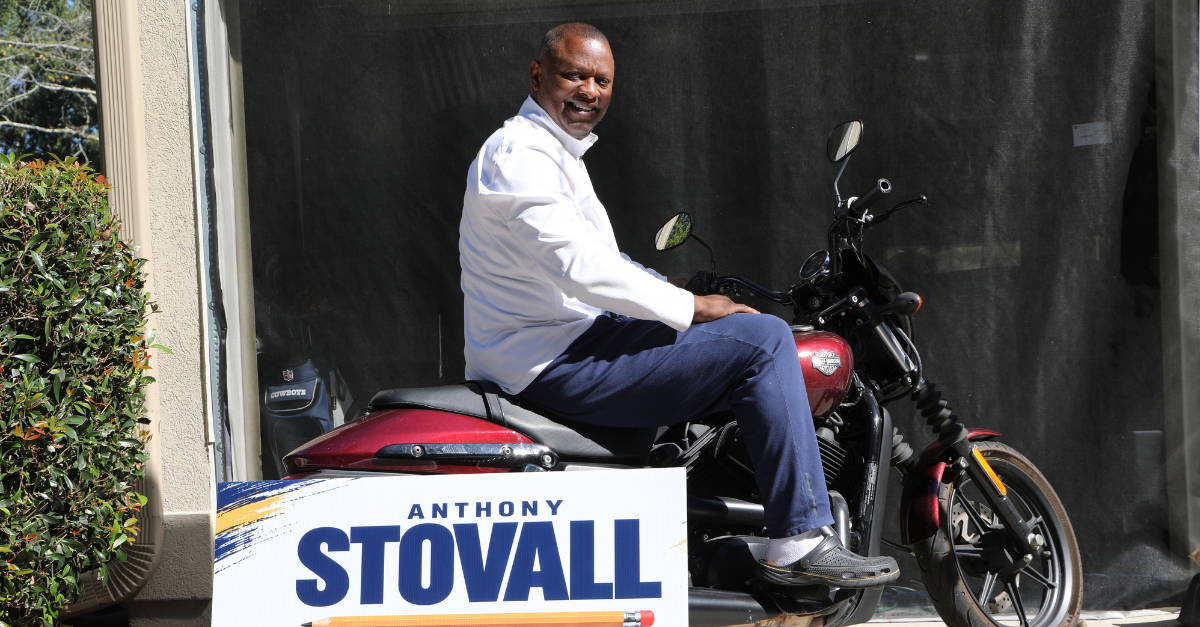
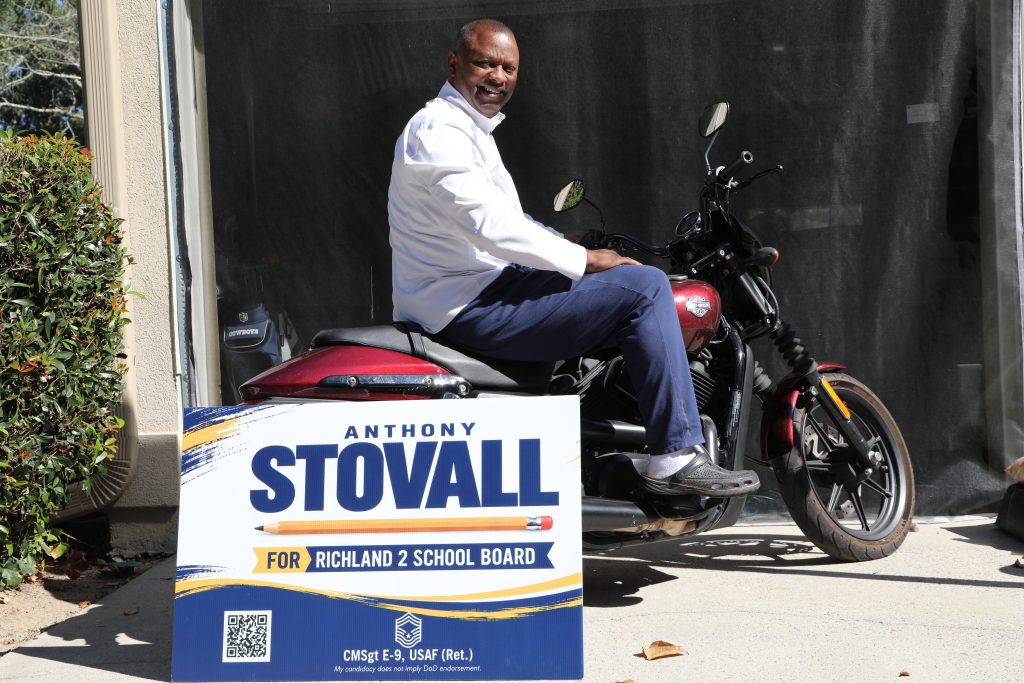
For Anthony M. Stovall, a retired U.S. Air Force Chief Master Sergeant and candidate for the Richland School District Two Board of Trustees, leadership development is more than a professional skill. It is a life skill that can help young people build confidence, develop character, overcome challenges, and recognize their potential.
It is also a principle that has shaped nearly every chapter of his professional life.
Stovall spent almost four decades serving in the United States Air Force, including multiple combat deployments and senior enlisted leadership assignments. During his military career, he trained and mentored service members, helping develop the discipline, accountability, teamwork, and decision-making abilities required of military leaders. His experience reinforced a central belief: leadership is not simply a position someone holds, but a set of skills and responsibilities that can be taught, developed, and strengthened through education and experience.
That belief would eventually become the foundation of his work beyond the military.
Taking Leadership Beyond the Uniform
Following his military retirement, Stovall transitioned into higher education as a university professor and established TLS Global Management Services, a professional development and organizational consulting company.
But perhaps his most direct connection to preparing the next generation of leaders has come through FHL Leadership Group, the nonprofit organization he founded in 2012.
Built around the principles of Faith, Hope, and Love, FHL Leadership Group focuses on education, mentorship, leadership development, and community service.
Through youth development initiatives, leadership seminars, educational opportunities, and community partnerships, the organization works to expose young people to experiences that encourage personal growth and future success.
Its scholarship program, launched in 2014, has awarded more than 30 scholarships, according to the organization, helping students pursue higher education and career opportunities.
FHL has also developed partnerships with schools, civic organizations, churches, and community groups, including Richland School District Two, to support educational initiatives and community engagement.
For Stovall, these efforts represent a continuation of the work he began in the military: preparing people to take responsibility, work effectively with others, solve problems, and lead.
The difference is that the focus now extends to students preparing for adulthood rather than service members preparing for military responsibilities.
Education as a Foundation for Leadership
That connection between leadership training and education is central to Stovall’s approach to school governance.
The same principles taught to military personnel—discipline, responsibility, teamwork, respect, adaptability, and service—can also serve as valuable lessons for students navigating academic challenges, personal relationships, and decisions about their futures.
Rather than viewing leadership development as something reserved for students who hold elected positions or participate in special programs, Stovall’s background points to the broader potential of helping young people develop leadership qualities throughout their educational experience.
His campaign priorities reflect that perspective, emphasizing student and teacher success, fiscal responsibility, and expanded career and technical education opportunities.
His experience in military training and workforce development also connects to the importance of preparing students for careers that require technical knowledge, professional responsibility, and the ability to work within a team.
For a school district serving more than 28,000 students, the question of how to prepare young people for life after graduation extends beyond academic performance. It includes developing the confidence, judgment, and practical skills needed to pursue opportunities and contribute to their communities.
A Different Chapter, the Same Commitment to Service
A father of six and grandfather of nine, Stovall has remained active in community service through youth mentorship, scholarship initiatives, and organizations including the NAACP, Alpha Phi Alpha Fraternity, Inc., and the Greater Columbia Community Relations Council.
His work reflects a recurring theme throughout his career: developing people and creating opportunities for others to succeed.
Now, as he seeks a seat on the Richland Two School Board in the November 3 election, Stovall is bringing that experience into a discussion about the future of public education.
His candidacy raises a larger question about the role schools can play in developing future leaders alongside their academic responsibilities.
For Stovall, the connection is clear. The leadership principles he spent decades helping service members develop are the same qualities he has continued encouraging through education, mentorship, and youth development.
The classroom may be a different environment from the military training programs where his leadership philosophy took shape, but the underlying lesson remains: leadership is learned, developed, and strengthened by giving people the knowledge, guidance, and opportunity to lead.